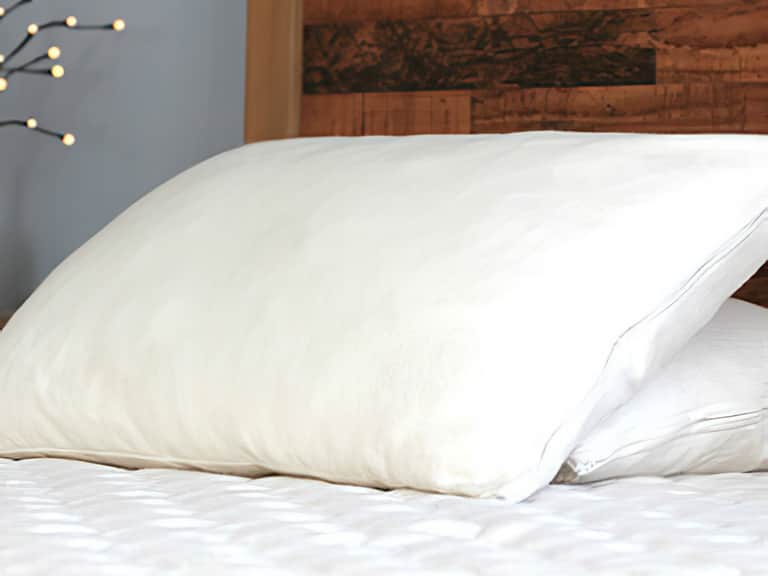
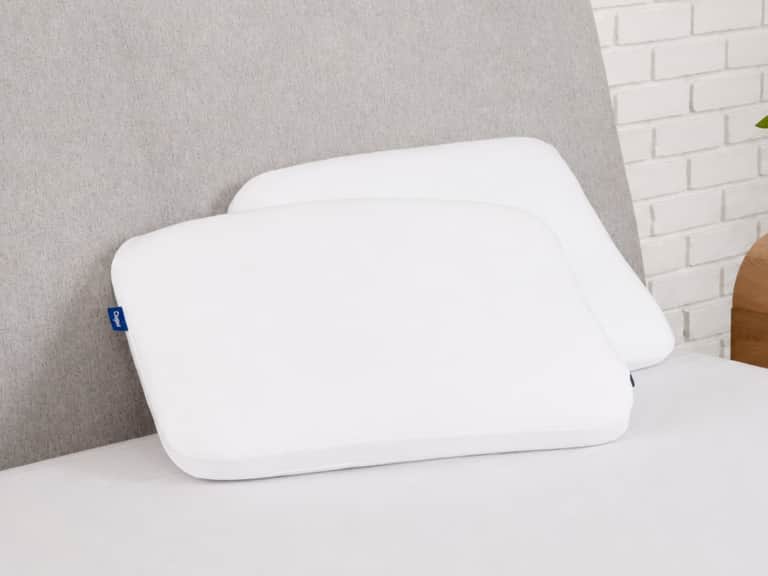
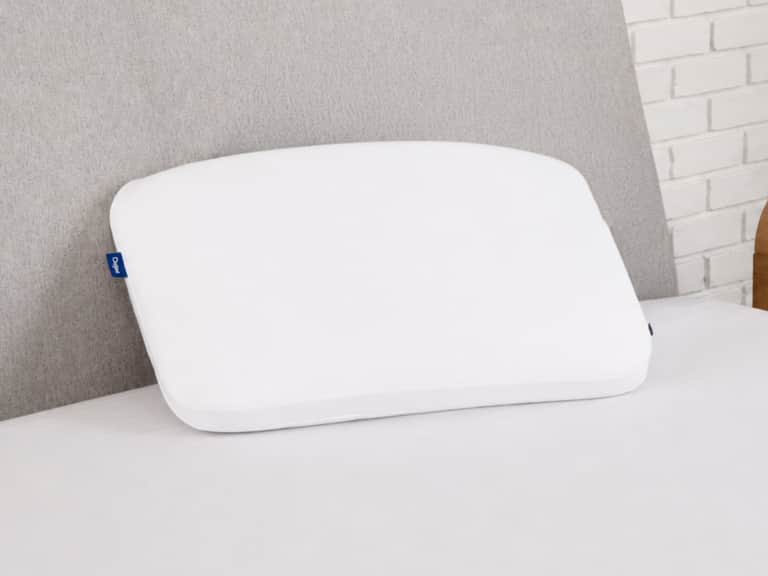
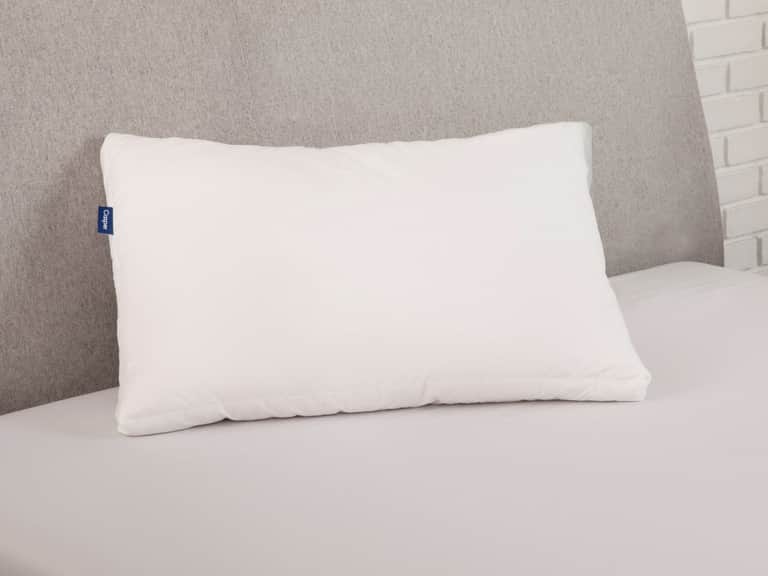
Pillows are integral to sleep ergonomics, providing support for head, neck, and shoulders while maintaining alignment with the spine. Varied fills, returns, and lofts influence sleeping posture and comfort across different sleep positions. Understanding materials like latex, wool, kapok, and foam helps readers evaluate options tailored to pressure relief and temperature regulation.
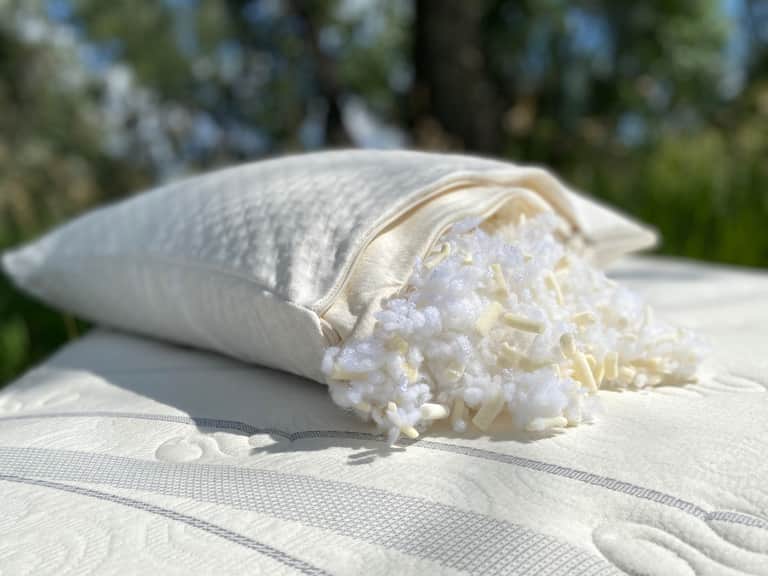
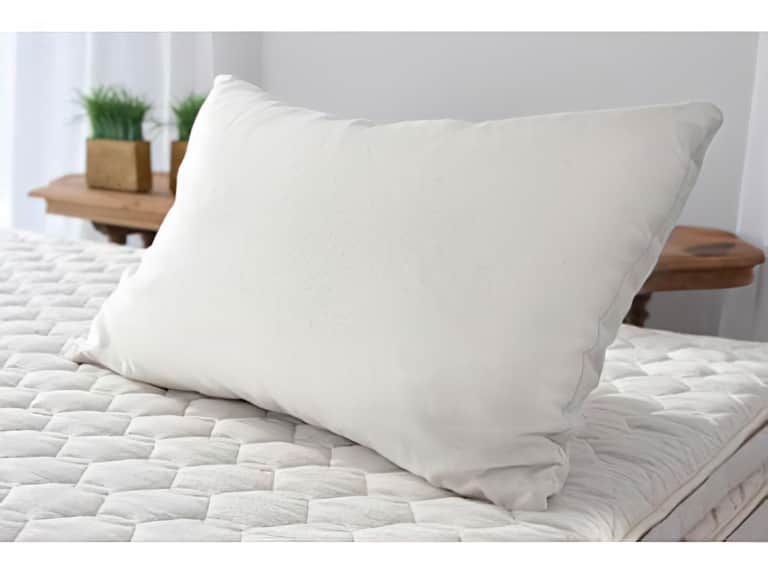
Latex pillows, including organic and shredded latex blends, offer buoyant support and durable resilience that maintains shape over time. Some designs incorporate Tencel or other breathable fabrics to enhance moisture wicking, promoting cooler sleep. For side sleepers, pillow height and contour can reduce shoulder compression and neck strain while preserving spinal neutrality.
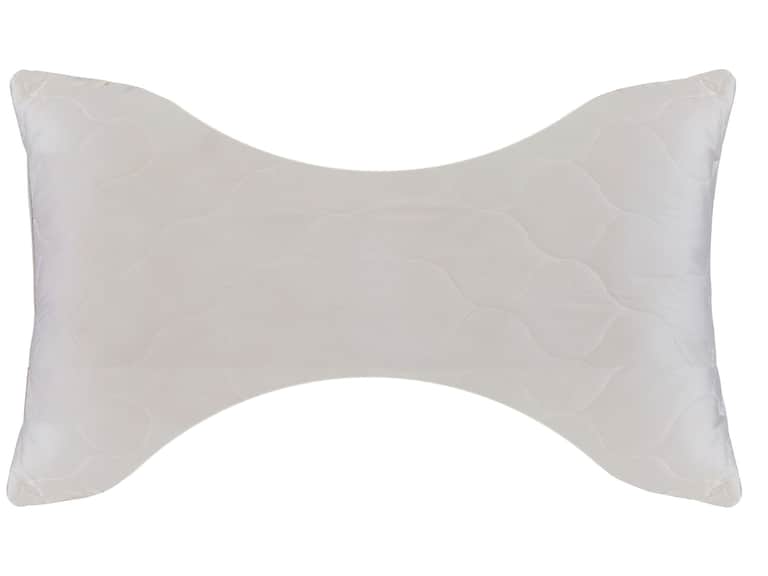
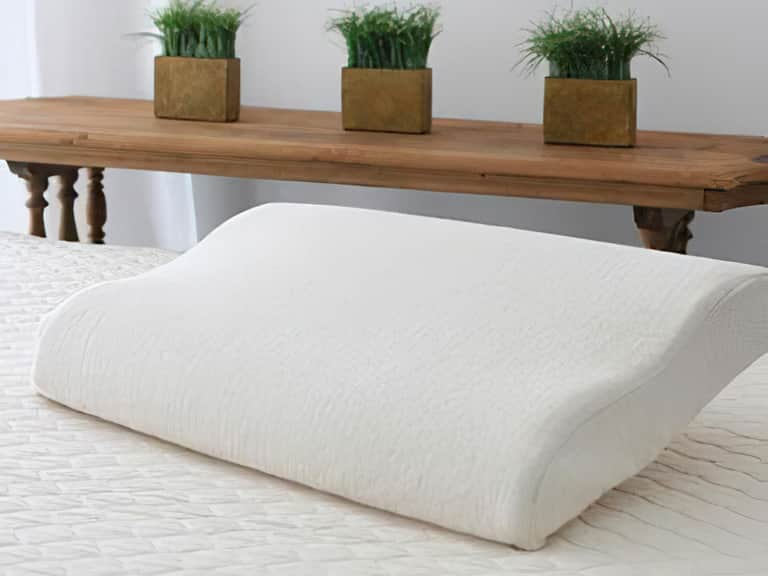
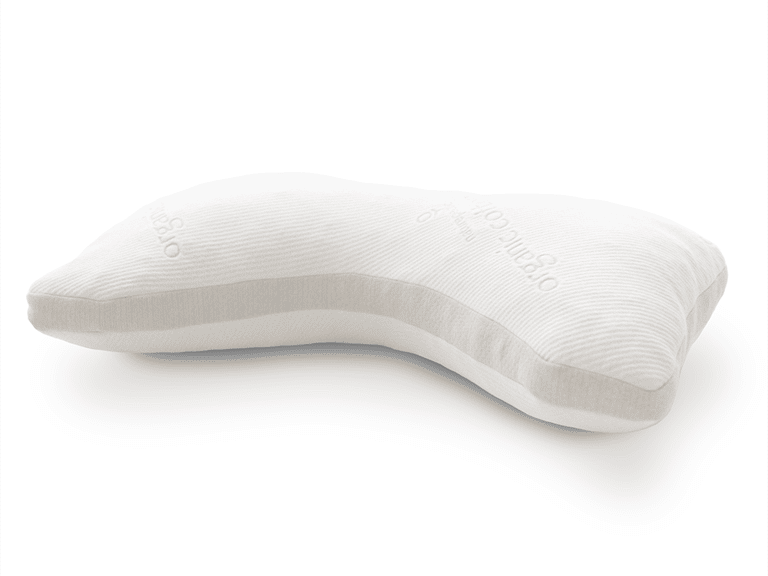
Specialty shapes such as soap-shaped or contoured designs emphasize alignment for specific needs, including side sleeping or back sleeping. The Savvy Rest and Naturepedic models illustrate how organic materials can minimize exposures while delivering responsive support. Comfort often depends on loft, fill type, and the balance between firmness and plushness.
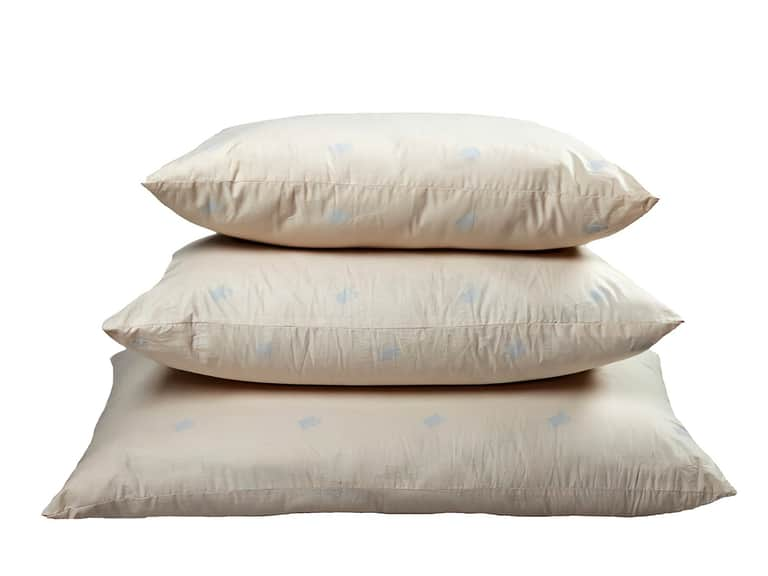
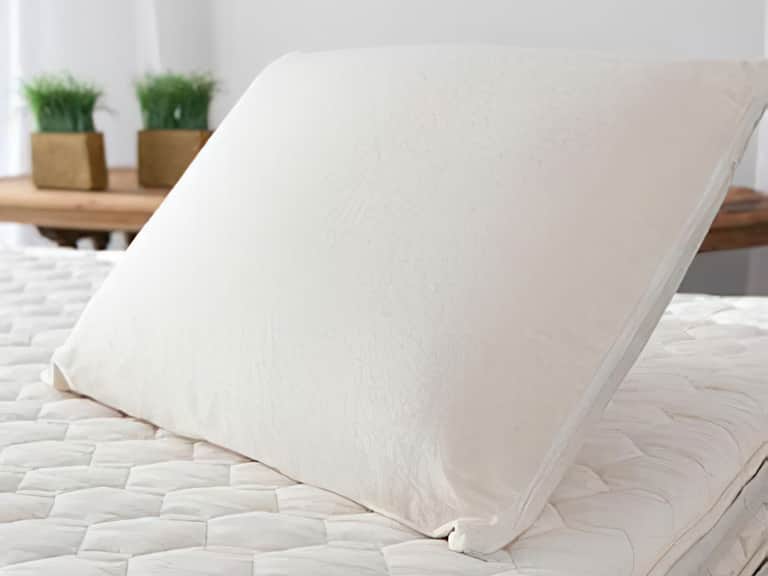
Other fill options like kapok, wool, and foam provide distinct feel profiles: kapok offers light fluff and breathability, wool delivers natural moisture management, and foam with Snow Technology can enhance cooling and support. Multipack or dual-pack configurations may address varying seasonal warmth and personal preference for density and pressure distribution.
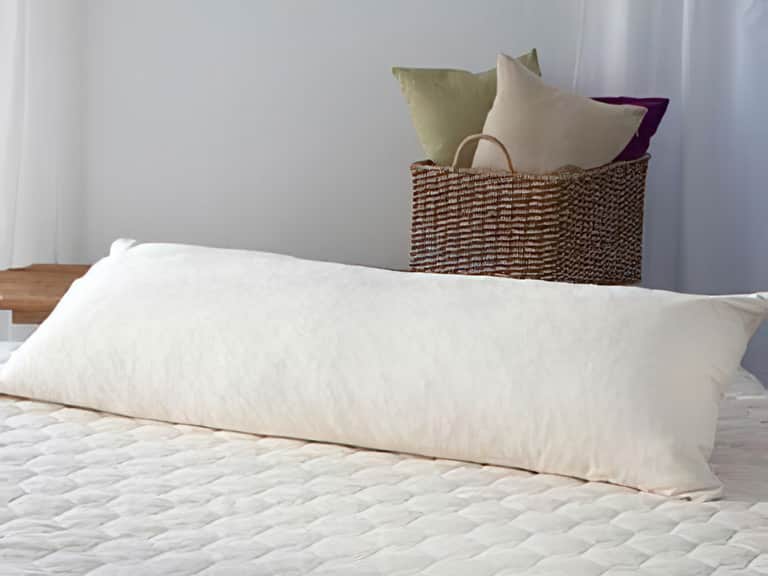
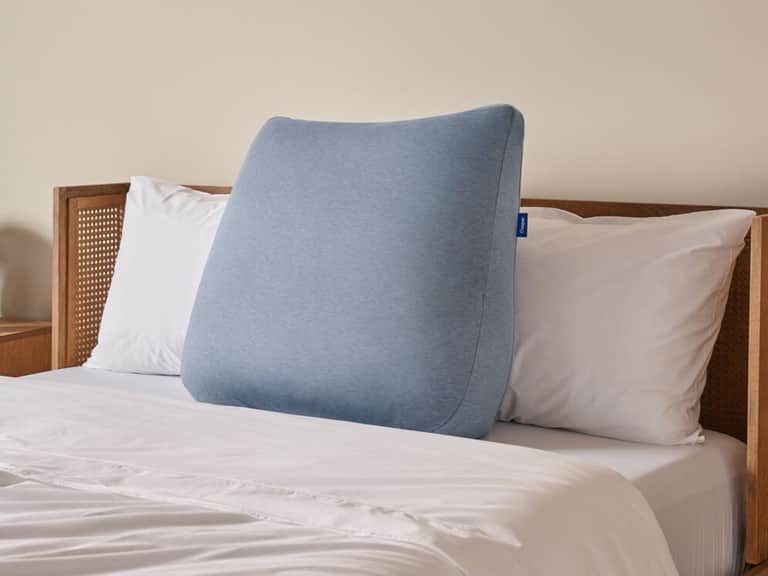
Understanding pillow selection also involves recognizing functional benefits such as spinal alignment, reduced snoring, and relief from neck tension. When evaluating products like body pillows, backrests, and adjustable bed-compatible designs, consider allergy considerations, washable covers, and long-term durability to ensure consistent comfort and sleep quality.
 Bedding