Foam mattresses are distinguished by their conforming support and pressure relief, which can improve spinal alignment and reduce motion transfer. This category highlights espuma-based cores, from memory foam to polyurethane blends, and explains how density and ILD ratings influence firmness, durability, and overall comfort for different sleeping positions and weight ranges.
Key features often include open-cell structure for breathability, temperature regulation through gel-infused layers, and high-density foams that resist sagging over time. Understanding these aspects helps users evaluate whether a foam mattress provides balanced support, reduces heat buildup, and maintains surface feel across the night’s cycles.
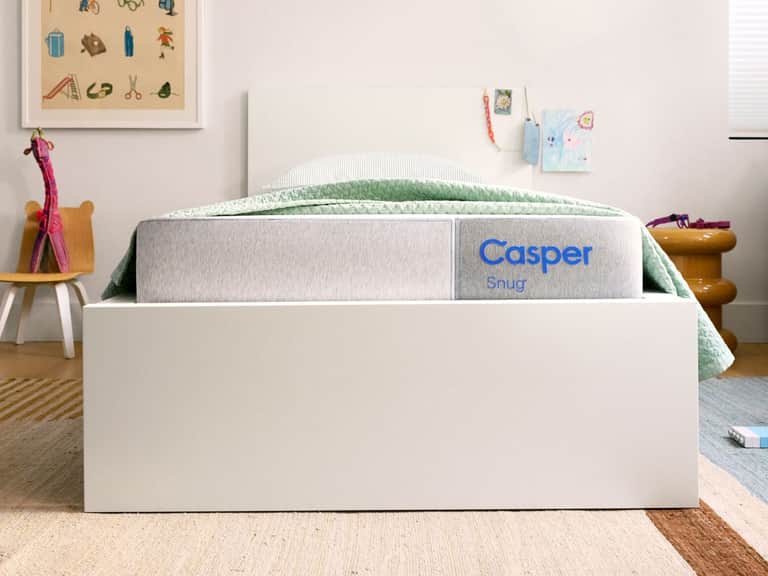
In the context of sleep ergonomics, foam mattresses like Snug™ models emphasize targeted contouring to relieve pressure on shoulders, hips, and knees. Detailed product notes cover layer composition, edge support, and motion isolation, offering practical insights for couples and solo sleepers seeking stable, uninterrupted rest.
Care and longevity considerations for foam mattresses include rotation frequency, appropriate foundation or base compatibility, and cleaning guidance. Knowledge about fabrications, certified foam materials, and off-gassing expectations helps users assess safety, durability, and comfort over the mattress’s lifespan.
When comparing foam mattresses within this category, pay attention to core materials, layering schemes, and finish textures. The Snug™ lineup showcases distinct features such as responsive transition foams and breathable covers, which can influence thermal comfort, durability, and overall suitability for varied sleep preferences.
 Mattresses